

Australian Govt Cuts Power Bill Relief, Says Tax Breaks Cover It


This piece is freely available to read. Become a paid subscriber today and help keep Mencari News financially afloat so that we can continue to pay our writers for their insight and expertise.
Today’s Article is brought to you by Empower your podcasting vision with a suite of creative solutions at your fingertips.
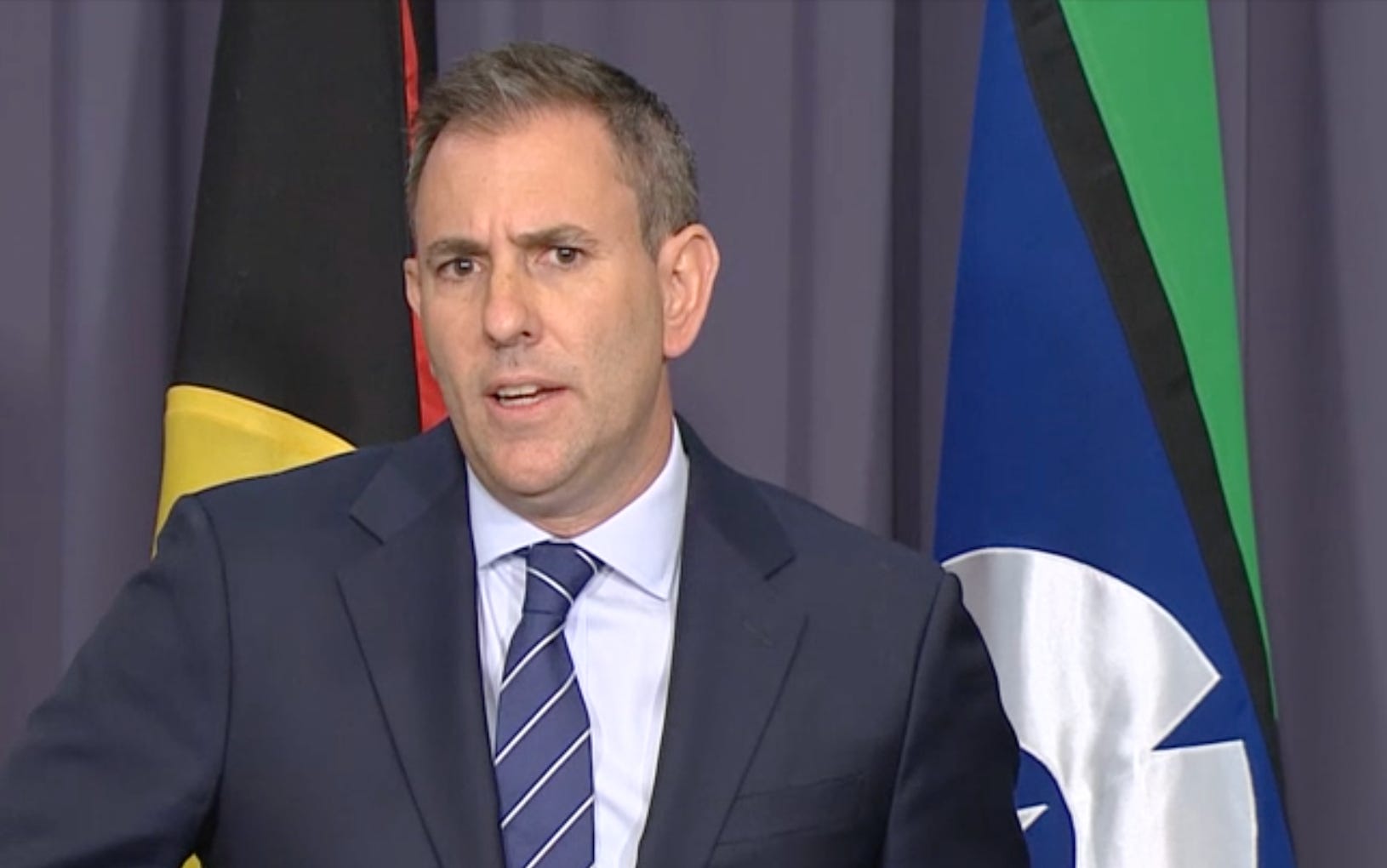
Australia’s Treasurer Jim Chalmers announced December 8 that electricity bill rebates end December 31, affecting all households after three rounds of relief totaling $8.5 billion, with the government arguing tax cuts provide permanent support instead.
The Australian government will not extend electricity bill rebates beyond December 31, Treasurer Jim Chalmers confirmed at a press conference announcing decisions ahead of next week’s mid-year budget update.
Truth matters. Quality journalism costs.
Your subscription to Mencari directly funds the investigative reporting our democracy needs. For less than a coffee per week, you enable our journalists to uncover stories that powerful interests would rather keep hidden. There is no corporate influence involved. No compromises. Just honest journalism when we need it most.
Not ready to be paid subscribe, but appreciate the newsletter ? Grab us a beer or snag the exclusive ad spot at the top of next week's newsletter.
What’s ending: Three rounds of energy bill rebates that provided direct relief to households. The Commonwealth spent nearly $7 billion on these rebates, with states and territories contributing another $1.5 billion, according to Chalmers.
The government’s argument: Chalmers framed the decision as a shift from “temporary measures, first decided when inflation was almost 8%” to “ongoing cost of living help” through the tax system. He cited upcoming tax cuts that will give Australians roughly $50 per week as permanent relief. “People can use that to help pay their electricity bills or to meet their other cost of living pressures,” Chalmers said.
What is the mid-year budget update? The mid-year economic and fiscal outlook (MYEFO) is a mandatory update that occurs between federal budgets, typically in December. It revises economic forecasts and reveals new spending decisions or savings measures. Chalmers emphasized this update “will be sensible, responsible, and restrained” and “won’t be a mini-budget.”
Budget pressure context: The Treasurer referenced a Deloitte report highlighting intensifying budget pressures. The government has found $100 billion in savings across previous budgets and reduced projected debt by nearly $200 billion compared to what they inherited, Chalmers claimed. The update will include “difficult decisions” and additional savings beyond the rebate cut.
Political framing: Chalmers repeated that the rebates were “always temporary” and not “a permanent feature of the budget,” though he acknowledged “this wasn’t an easy decision, but it’s the right decision.” The shift aligns with Labor’s broader narrative of “responsible economic management.”
The awkward timing: Much of the press conference focused on questions about Minister Annika Wells’ use of family reunion travel allowances for business class flights and overseas trips. Journalists pressed Chalmers on the optics of cutting household relief while defending ministerial spending. Chalmers deflected repeatedly, saying the allowances are “within the rules” and “policed independently” by the Independent Parliamentary Expenses Authority (IPEA), while maintaining his focus was “on the mid-year budget update.”
What different sides say:
Government position (Chalmers): The rebates served their purpose during peak inflation; permanent tax relief is better than temporary bill relief; fiscal restraint is necessary given budget pressures.
Opposition questions (via journalists): Is it appropriate to cut household support while defending ministerial travel expenses? Are the family reunion rules fit for purpose in the current economic climate?
What this likely means next: The mid-year update will reveal the total fiscal impact of the rebate cut and other savings measures. With an election likely in 2025, this sets up a cost-of-living debate between Labor’s tax cut approach and potential opposition promises for different relief measures.
Why this matters to you (Gen Z): If you’re renting, sharing bills, or living at home, your household electricity costs will rise from January 1 unless offset by the tax cuts—which only help if you’re earning enough to pay tax. The budget update may also affect other services or programs younger Australians rely on as the government hunts for savings.

Sustaining Mencari Requires Your Support
Independent journalism costs money. Help us continue delivering in-depth investigations and unfiltered commentary on the world's real stories. Your financial contribution enables thorough investigative work and thoughtful analysis, all supported by a dedicated community committed to accuracy and transparency.
Subscribe today to unlock our full archive of investigative reporting and fearless analysis. Subscribing to independent media outlets represents more than just information consumption—it embodies a commitment to factual reporting.
As well as knowing you’re keeping Mencari (Australia) alive, you’ll also get:
Get breaking news AS IT HAPPENS - Gain instant access to our real-time coverage and analysis when major stories break, keeping you ahead of the curve
Unlock our COMPLETE content library - Enjoy unlimited access to every newsletter, podcast episode, and exclusive archive—all seamlessly available in your favorite podcast apps.
Join the conversation that matters - Be part of our vibrant community with full commenting privileges on all content, directly supporting The Evening Post (Australia)
Catch up on some of Mencari’s recent stories:


It only takes a minute to help us investigate fearlessly and expose lies and wrongdoing to hold power accountable. Thanks!