

Australia Imposes 15-25% Gas Reservation to Guarantee Domestic Supply
Bowen announces landmark energy policy requiring exporters to meet Australian demand first


This piece is freely available to read. Become a paid subscriber today and help keep Mencari News financially afloat so that we can continue to pay our writers for their insight and expertise.
Today’s Article is brought to you by Empower your podcasting vision with a suite of creative solutions at your fingertips.
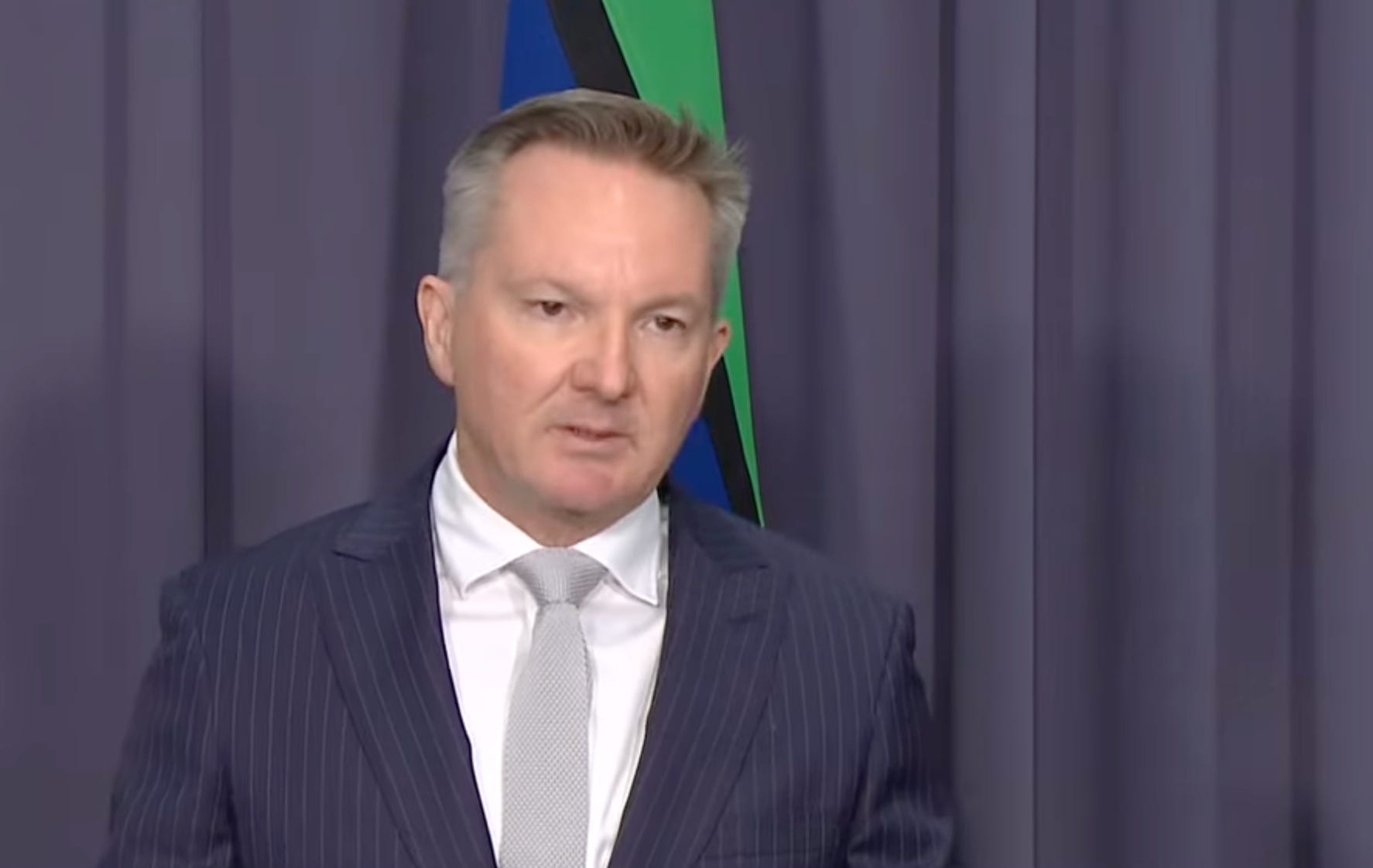
Australia will reserve 15 to 25 percent of its natural gas production for domestic use under a landmark policy announced by Climate and Energy Minister Chris Bowen, marking a significant shift in the nation’s approach to energy security as one of the world’s largest gas exporters.
The reservation policy, applying to 200 to 350 petajoules annually, requires gas companies to meet domestic demand before exporting under new contracts entered from the announcement date. The measure addresses forecast shortages in coming years despite Australia being among the world’s top gas producers and exporters.
“Most Australians think that Australians should have first rights to the gas that’s under Australian soil, Australian waters, and that gas should be available to Australians at reasonable prices,” Bowen said. “And Australians are right about that.”
The policy applies prospectively to new contracts only, leaving existing domestic and international agreements undisturbed. However, the government emphasized the effective date is immediate — any gas export contracts signed from the announcement forward must ensure adequate domestic supply, even though formal implementation begins in 2027.
“We need to provide certainty to the Australian industry that contracts entered into from today will need to ensure adequate domestic supply going forward,” Bowen explained. “We have shortages forecast in coming years, not next year, but in years after that. And so it’s important that this policy start to operate.”
Acting Resources and Industry Minister Tim Ayres said the policy would ensure “Australian gas and Australia’s large gas reserves should work for Australians.” The government consulted on various models before selecting an export permit system as the simplest and most effective approach.
The preferred model prevents gas exports unless the government confirms domestic demand is satisfied first. Producers will have flexibility to meet obligations through various commercial arrangements, including contracting with exporters or domestic suppliers, as long as supply requirements are met.
Bowen cited Western Australia’s decades-long reservation experience as evidence the approach works. WA developed a “strong and robust gas industry” that successfully exports while meeting state needs. The national scheme would work in tandem with WA’s existing policy and federal, state, and territory gas market mechanisms.
The reservation range of 15 to 25 percent would not only cover forecast domestic shortfalls but create slight oversupply in the Australian market — “the right policy approach,” according to Bowen. The government will conduct further detailed consultations on specific percentage levels and implementation mechanisms.
Key principles underpinning further consultation include respecting existing contracts, maintaining national scope compatible with state frameworks, and commencing in 2027 while capturing contracts from the announcement date. The policy aims to increase domestic supply as existing contracts expire and drive downward pressure on prices.
Under the export permit model, exporters must actually supply Australian users, not merely offer gas domestically. This distinction ensures genuine domestic availability rather than token compliance. The government emphasized the policy should encourage long-term domestic gas supply contracts supporting investment decisions for commercial and industrial users, while providing certainty for commercial production and infrastructure providers.
Bowen thanked Resources Minister Madeleine King for working closely on the policy, noting she’s on leave but was integral to development. Further detailed design will involve Ayres, Treasurer, and other ministers.
Why Gen Z and Gen Alpha should care: Energy security and pricing directly impact your generation’s economic future, from household electricity bills to manufacturing job viability in Australian industries. This policy shift represents a fundamental rethinking of resource nationalism — whether countries should prioritize domestic needs over export revenues. As climate-conscious generations increasingly question gas’s role in energy transition, understanding how Australia manages fossil fuel resources while attempting to decarbonize becomes crucial for informed civic participation.
The reservation policy also signals potential templates for other critical resources. If successful in stabilizing gas supply and prices, similar domestic-first approaches might extend to minerals essential for renewable technology, batteries, or other strategic commodities. Your generation will navigate the long-term consequences of whether Australia chooses export revenues or domestic industrial policy.
What both sides agree on: Australia faces forecast gas shortages despite being a major global exporter, creating an apparent contradiction requiring policy intervention.
The policy’s immediate application to new contracts while grandfathering existing agreements attempts to balance investor certainty with urgent supply security. This approach avoids disrupting international trading relationships while reshaping future market dynamics. Gas companies and trading partners entered prior contracts in good faith under previous policy settings, making retrospective changes legally and diplomatically complex.
Next steps include detailed consultation on the specific reservation percentage within the 15-25% range, finalizing export permit mechanisms, and coordinating with state and territory governments. The policy commences formal operation in 2027, giving industry time to adjust contracting practices while ensuring new agreements immediately factor in domestic supply obligations.
Implementation challenges include monitoring compliance, determining adequate domestic supply levels amid fluctuating demand, and coordinating between federal and state jurisdictions with different energy market structures. The government must also manage international trading partner concerns while maintaining Australia’s reputation as a reliable gas exporter.
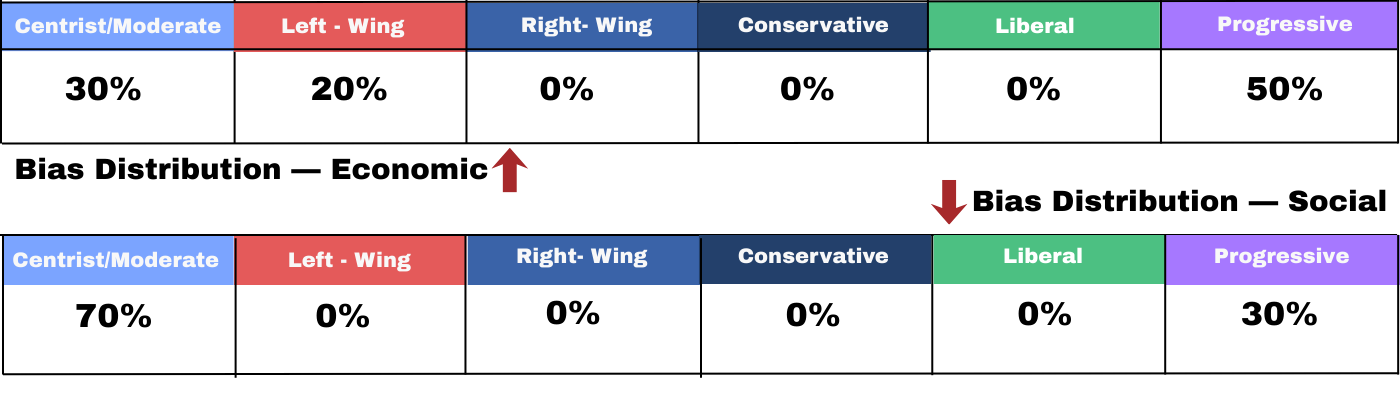
Bias Explanation: Article draws exclusively from government ministers (Bowen, Ayres) announcing and defending the policy without opposition critique or industry pushback included.
Bias comparisons derive from an AI-assisted evaluation of content sources and are protected by copyright held by Mencari News. Please share any feedback to newsdesk@readmencari.com
Sustaining Mencari Requires Your Support
Independent journalism costs money. Help us continue delivering in-depth investigations and unfiltered commentary on the world's real stories. Your financial contribution enables thorough investigative work and thoughtful analysis, all supported by a dedicated community committed to accuracy and transparency.
Subscribe today to unlock our full archive of investigative reporting and fearless analysis. Subscribing to independent media outlets represents more than just information consumption—it embodies a commitment to factual reporting.
Not ready to be paid subscribe, but appreciate the newsletter ? Grab us a beer or snag the exclusive ad spot at the top of next week’s newsletter.